Featured
Table of Contents
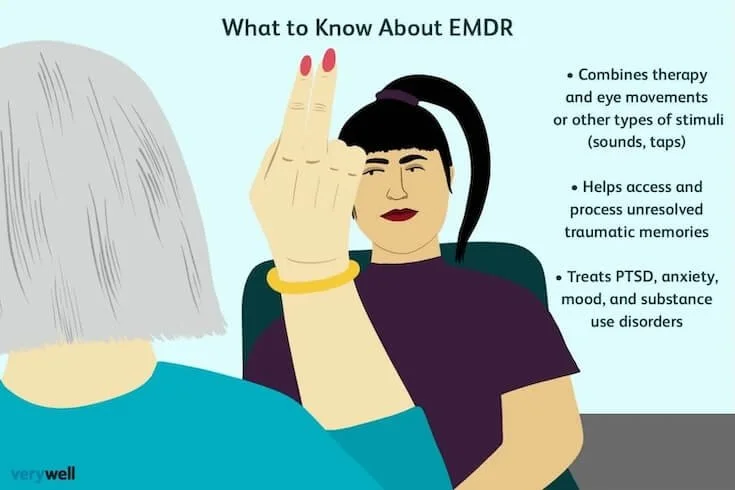
Trauma influences us in numerous ways. In the short-term, it can cause emotional responses such as terror, confusion, shock, seclusion, and dissociation, whereas over time, it can influence our behavior, mental state, and capability to work. Injury can additionally put the body in a state of tension and creates physical symptoms such as a racing heart beat, migraines, nausea, digestive system problems, bad rest quality, and a tendency to stun quickly.
Zackson describes. This short article discovers the symptoms, triggers, medical diagnosis, and therapy of unresolved trauma.
, it's most likely that it will never be completely resolved. Treatment for unresolved trauma begins with creating a safe and nurturing atmosphere where the survivor feels secure sufficient to process the injury that has been repressed and pushed into the 'black box'. The medical professional very carefully and securely opens this 'box,' permitting individuals to become mindful of their experiences.
There is no specific time structure for healing from unsettled injury. They can look back on their distressing experience and discover that they are stronger than they ever before visualized.

Discover out which choice is the best for you. Verywell Mind uses only high-quality sources, including peer-reviewed researches, to support the truths within our articles.
Health And Wellness Aff (Millwood). 2019; 38( 10 ):1662 -1669. doi:10.1377/ hlthaff. 2019.00560 Bell V, Robinson B, Katona C, Fett AK, Shergill S. When count on is lost: The effect of social trauma on social interactions. Psychol Medication. 2019; 49( 6 ):1041 -1046. doi:10.1017/ S0033291718001800 Lanius RA. Trauma-related dissociation and transformed states of consciousness: a require scientific, treatment, and neuroscience research study. Eur J Psychotraumatol.
Restoring Cognitive-Somatic Connection
2016; 49:79 -91. Front Psychiatry. 2021; 12:767760.
These physical responses are part of the body's stress and anxiety response to trauma. Cognitively, injury survivors might develop adverse ideas about themselves or the globe, such as really feeling not worthy or dangerous.
Mood adjustments can vary from rage and concern to embarassment and sadness. All these symptoms are indications that injury has influenced the person's psychological and psychological wellbeing. If these symptoms linger or escalate with time, they might create right into conditions like Trauma (PTSD). Recognizing these indications early and looking for professional assistance can facilitate effective treatment and support recovery.
For youngsters and teenagers, trauma-focused CBT (TF-CBT) is specifically adjusted to process traumatic memories in a risk-free and organized way, frequently entailing relative. An additional extremely effective technique is Extended Direct exposure treatment. This strategy encourages progressive conflict of trauma memories and circumstances that recall the traumatic event. The goal is to reduce anxiety reactions and evasion habits that disrupt life.
Recognizing the Reasons Autistic and ADHD Individuals Face Disproportionate Levels of Complex Trauma
Resolving injury's effect on emotional, cognitive, and physical health is essential. Treatment intends to bring back a sense of safety and trustboth in oneself and in relationships with othersby fostering resilience and personal development.
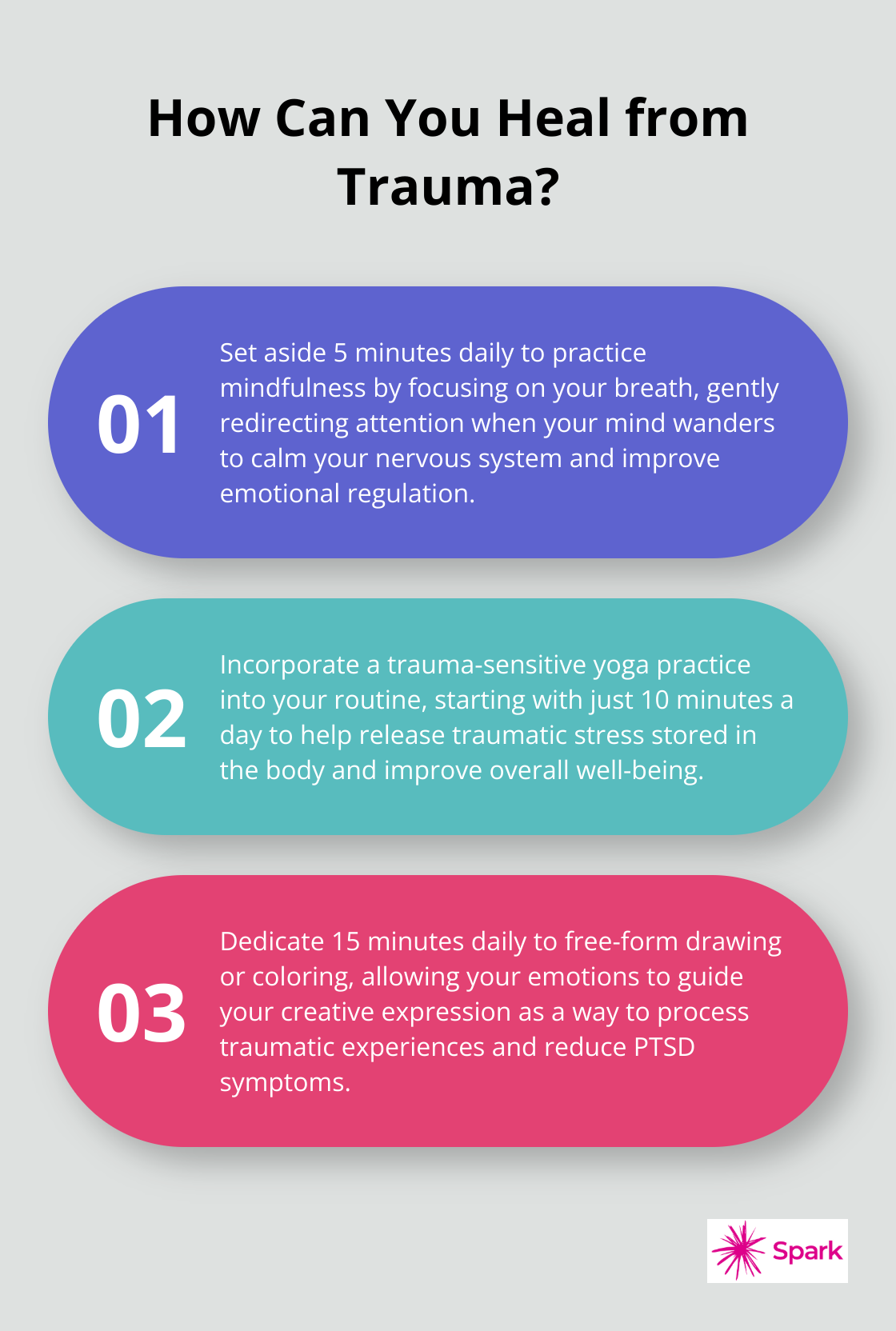
As therapists, we commonly hear the inquiry "What exactly is an injury response?" from our customers. It's a fantastic inquiry, and one worth exploring deeply. While most of us make use of the words "injury" and "tension" as if they mean the same point in daily conversation, there's actually a lot more to understand regarding how trauma distinctively affects our mental wellness.
Locating Specialized Workshops Therapists in New Jersey
Think about injury feedbacks as your body and mind's way of shielding you when something takes place that feels too large to take care of. When we experience something overwhelming or deeply traumatic, our mind kicks into survival setting. You could have become aware of "battle or flight" but there's additionally "freeze" and "fawn" (people-pleasing). These aren't just abstract principles; they're very actual responses that can show up today or in some cases years later, depending upon what you've been via.

Latest Posts
Deep Healing of Psychoanalytic Approaches for Parent Guidance
The Impact of Clinical Partnership in Insight-Oriented Therapy for Change
Developing Connection through Multilingual Counseling